


How to Plan a Dog-Friendly Camping Trip
Last Updated: November 14, 2026
Quick Summary
Successful dog camping starts with packing twice the water you think you need, since dogs dehydrate faster than people and campground supplies can't be assumed. Acclimate your dog in stages, beginning with yard tent sessions weeks before the trip, and confirm vaccinations and parasite prevention with your vet beforehand.
- Pre-bag food into daily portions before leaving to keep meals consistent.
- Most public campgrounds require a leash no longer than six feet.
- Above roughly 85°F, shorten hikes and add water breaks every 15-20 minutes.
- Do a full-body tick check every evening, including ears, armpits, and between toes.
- Save the nearest emergency veterinary clinic address and phone number for each stop.
Table of Contents
- Camping With Dogs Essentials to Pack Before You Leave
- Taking Your Dog Camping for the First Time
- Where Should Dogs Sleep While Camping?
- RV Camping With Dogs: Space, Safety, and Routine
- Rules and Etiquette Across Campground Types
- Weather, Wildlife, and Health Risks to Plan For
- Gear Up for Your First Night With Your Dog
- Frequently Asked Questions
Camping With Dogs Essentials to Pack Before You Leave
Packing for dog camping starts with a simple rule: bring twice the water you think you need and never assume the campground has supplies. This guide from FieldToStream covers the gear that actually earns its space in the truck, based on what experienced campers reach for first.
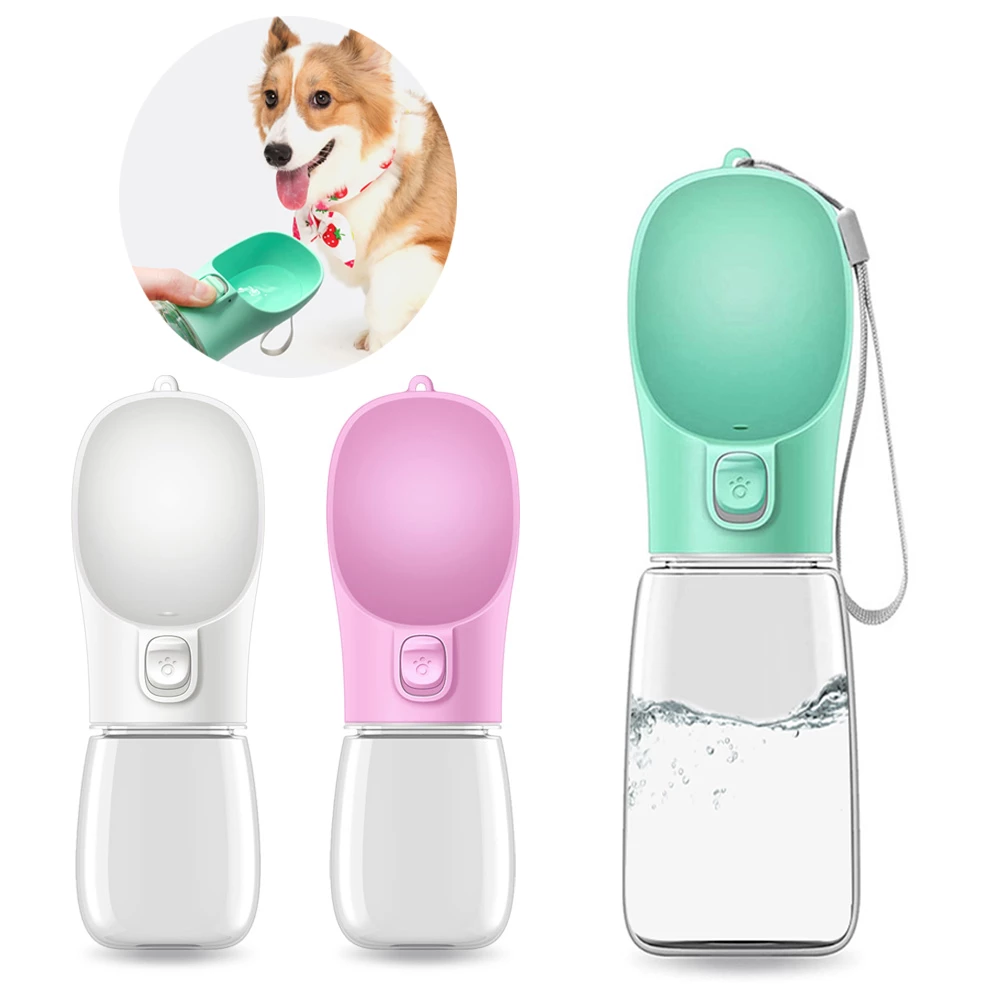
Dogs dehydrate faster than people on the trail, so a portable water bottle with a built-in trough is a practical way to keep water breaks quick.
Food, Water, and Feeding Gear
Start with food measured into daily portions before you leave. Pre-bagging removes guesswork and keeps meals consistent.
- Sealed food container or bear-resistant bag
- Collapsible water bowl for camp and trail
- Portable dog water bottle with drinking trough
Our portable dog water bottle with drinking trough releases water with one button press and carries by a strap for easy travel.
Leashes, Tie-Outs, and Visibility Gear
A six-foot leash handles camp loops. A long line gives your dog room to sniff without free roaming.
- Flat leash for walking the campground roads
- Long line for supervised sniffing time
- Tie-out stake and cable for hands-free moments
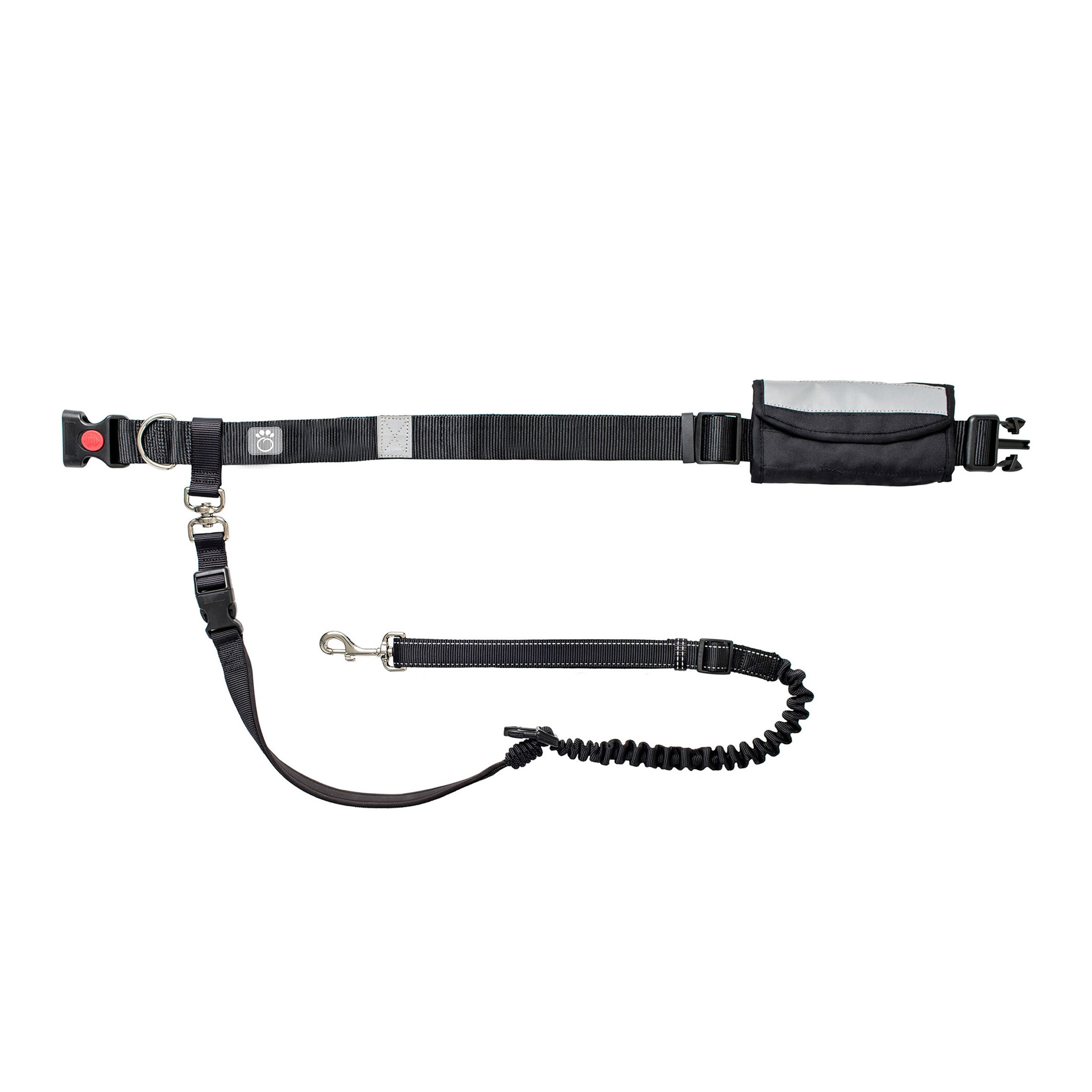
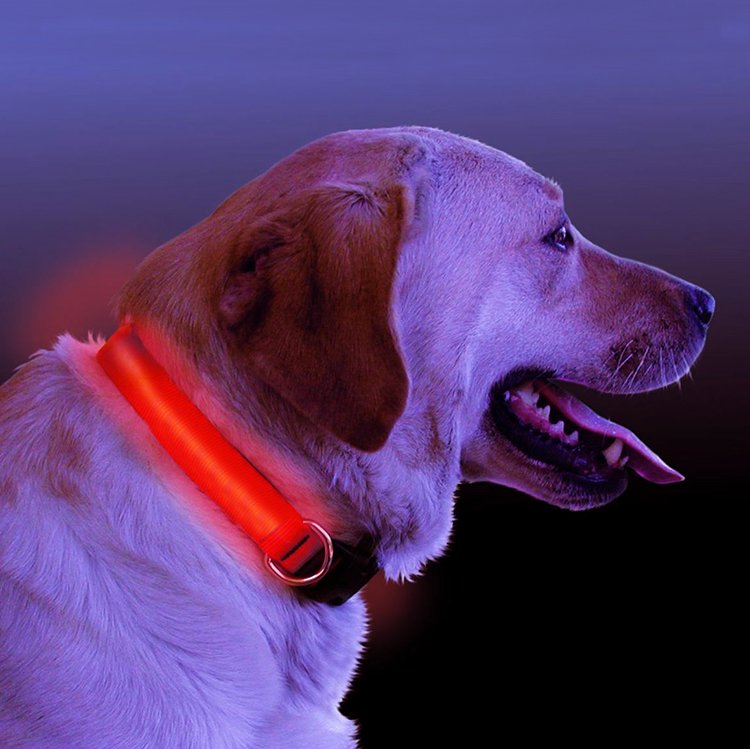
The hands-free waist belt and shock-absorbing bungee leash keeps your hands free for trekking poles or water bottles, and the bungee helps soften sudden pulls. For evening walks, an LED light-up dog collar adds visible light around your dog's neck to help others notice your pet.

Taking Your Dog Camping for the First Time
Taking your dog camping for the first time works best in stages, not all at once. A dog that has never slept outside will struggle if the first attempt is a week in the backcountry. The plan below builds exposure in small doses so that the tent, the sounds, and the unfamiliar people all become boring before they become scary.
A Step-by-Step Acclimation Plan
- Week one, tent as furniture. Pitch the tent in the yard and leave it up for several days. Feed meals inside it, toss treats in, and let the dog come and go freely. Do not zip the door yet.
- Week two, closed-door naps. Zip the dog inside with you for short sessions, starting at five minutes and working up to a full nap. Practice the "settle" cue on the bed you plan to bring.
- Week three, one night at home. Sleep in the tent together in the yard. This is where most problems surface: the dog hears a raccoon, a neighbor's dog barks, or the tent fabric flaps. You want those reactions to happen where you can fix them.
- Week four, day trip to a quiet campground. Visit during the day, walk the loop on leash, practice polite greetings at a distance, and go home before dark. The goal is exposure, not a full trip.
- Week five, one night close to home. Book a site within an hour of home so a bad night is a short drive, not a ruined vacation. Keep the routine identical to the yard night.
- After that, extend gradually. Add a second night, then a longer drive, then a more crowded campground.
Watch out: skipping the yard nights is the most common mistake. A dog that panics at 2 a.m. in a strange tent will keep the whole loop awake, and the fix is far easier in your own backyard than at a campsite you paid for.
Commands to Lock In Before You Go
Basic commands carry the trip: recall, stay, leave it, come, and heel. Practice all five before you go, but prioritize recall and leave it, those are the two that keep a dog out of a road, a fire ring, or a snake. A reliable recall under distraction is worth more than any piece of gear.
Adjusting the Plan for Different Dogs
The same timeline does not fit every dog, and the adjustments matter more than the schedule.
- Puppies: Wait until the vaccination series is complete and your veterinarian clears public-ground exposure. Puppies tire fast and need more bathroom breaks, so plan shorter days and a crate for forced rest.
- Senior dogs: Bring the bed they already use at home, add a foam pad for cold ground, and shorten hikes. Older dogs often struggle with temperature swings more than young ones, so plan for shade and frequent water breaks.
- Brachycephalic breeds (bulldogs, pugs, boxers, Frenchies): These dogs overheat quickly and breathe poorly in heat and stress. Camp in cooler seasons, avoid midday activity, and never leave them in a tent or vehicle in warm weather.
Where Should Dogs Sleep While Camping?
Where dogs sleep while camping depends on the dog and the weather. Common setups include:
| Setup | Best For | Watch Out For |
|---|---|---|
| Dog bed inside the tent | Bonded, calm dogs | Claws on tent floor |
| Crate inside the tent | Anxious or young dogs | Takes floor space |
| Crate in the vehicle | Dogs that settle in cars | Heat buildup |
Bring a bed that smells like home. Familiar scent does more for a nervous dog than any gadget.
Never leave a dog unattended in a tent or vehicle in warm weather. Temperatures climb fast, and a zipped tent traps heat.
RV Camping With Dogs: Space, Safety, and Routine
RV camping with dogs comes down to routine and a safe spot for the dog to ride.
Set up one dog zone inside the RV: a bed, a bowl, and a leash hook by the door.
If you are new to RV life, our essential RV gear for beginners guide covers the starter setup before you add a dog to the mix.
Rules and Etiquette Across Campground Types
Campground rules vary by land manager, so check the specific site before you book. Most public campgrounds require a leash no longer than six feet, and many prohibit dogs on certain trails.
- National parks: Leashed dogs on roads and campgrounds, rarely on trails
- National forests: Usually more dog-friendly, leash rules vary by district
- State parks: Check each park; rules differ widely
Good camp etiquette protects access for everyone. Pick up after your dog every time. Keep barking in check, and give other campers, children, and wildlife plenty of room.
Weather, Wildlife, and Health Risks to Plan For
Most camping guides stop at "bring water and watch the heat." The section below goes further: it gives you thresholds to act on, a pre-trip health plan, and species-specific wildlife guidance so you can make a decision at camp instead of guessing.
Heat: Thresholds and Precautions
Heat is the top risk for camping dogs. Walk early, walk late, and test pavement with the back of your hand, if it burns you after five seconds, it burns paws.
- Above roughly 85°F: shorten hikes, add water breaks every 15-20 minutes, and choose shade over distance.
- Above roughly 90°F: skip midday activity entirely. Plan hikes before 9 a.m. and after 6 p.m.
- Humidity matters as much as temperature. A dog panting hard at 80°F with high humidity is at more risk than a dog at 90°F in dry air. Watch for heavy panting, drooling, glassy eyes, and wobbling, those are early heat-stress signs, and the response is shade, water, and a vet call, not "push on."
Never leave a dog unattended in a tent or vehicle in warm weather. Temperatures climb fast, and a zipped tent traps heat like a greenhouse even in mild sun.
Cold, Storms, and Water
Cold nights need a plan too. Short-coated dogs benefit from a jacket and an insulated bed, and ground insulation matters more than most people expect, a foam pad under the bed does more than a blanket on top.
- Storms: If thunder is close enough to hear, move the dog inside the vehicle or a hard-sided shelter. A tent is not a safe place during lightning, and a scared dog can tear through tent fabric.
- Water hazards: Moving water, cold water, and algae blooms are the three big risks. Do not let a dog drink from stagnant ponds in late summer, and keep a dog leashed near fast-moving water even if it swims well at home.
Ticks, Toxic Plants, and Parasites
Ticks are the most common camping parasite problem. Do a full-body tick check every evening, including ears, armpits, and between toes, and remove attached ticks with fine-tipped tweezers.
Toxic plants vary by region, but a few are common enough to know on sight: poison hemlock, foxglove, oleander, and castor bean.
Before the trip, confirm vaccinations and parasite prevention with your vet. Flea and tick prevention should be current, and heartworm prevention matters anywhere mosquitoes are present.
Wildlife: Species-Specific Guidance
Wildlife matters. Keep food stored in a sealed container or vehicle, never in the tent. Beyond that, the right response depends on the animal:
- Skunks: A leashed dog is your best defense. If sprayed, a mix of hydrogen peroxide, baking soda, and dish soap works better than tomato juice.
- Porcupines: Quills are barbed and painful to remove. Do not pull them yourself if there are many, go to a vet. Keep the dog leashed in areas with porcupine activity.
- Snakes: Keep the dog on a short leash in tall grass and rock piles. If bitten, carry the dog, keep it calm, and get to a vet immediately; do not apply a tourniquet.
Pre-Trip Health and Emergency Plan
Before you leave, schedule a vet check if the dog has any chronic condition, and confirm vaccinations and parasite prevention are current.
Save the nearest emergency veterinary clinic address and phone number for each stop, not just the destination. Cell service is unreliable at many campgrounds, so write the numbers down.
A basic first aid kit and a written emergency contact list are simple to prepare before you leave.
Gear Up for Your First Night With Your Dog
Test your gear at home before you leave. Clip the leash on, fill the bottle, set up the bed.
At FieldToStream, we select gear from independent suppliers, prioritizing items stocked in U.S. warehouses for faster delivery.
Your dog does not need a perfect setup. It needs water, shade, a leash, and you nearby.
FieldToStream is a veteran-owned shop run by people who camp with their own dogs.
Frequently Asked Questions
What should I pack for dog camping?
Bring food for the full trip plus a day extra, fresh water, and a collapsible water bowl or travel bottle. Add a 6-foot leash, a long line or tie-out, waste bags, a dog bed or mat, and a copy of vaccination records. Pack a pet first aid kit with tweezers, gauze, and any medication your dog takes. For low-light walks, a reflective leash or LED collar helps other campers and drivers see your dog. Confirm your campsite's rules on leash length and tie-outs before you leave.
Where should dogs sleep while camping?
Most dogs sleep inside the tent or RV with their people, on a bed or mat they already know. Bring a familiar blanket so the space smells like home. If your dog sleeps in a crate at home, bring a travel crate that fits inside the tent. Never leave a dog tethered outside overnight or shut in a vehicle. In warm weather, a tent can trap heat, so check the temperature before you settle in and give your dog water at bedtime.
How do I help my dog adjust to camping for the first time?
Start at home. Set up the tent in the yard and let your dog sniff and rest inside it. Feed meals near the tent, then sleep one night in it together. Take a short drive to a nearby campsite before a long trip. Practice basic commands like come, stay, and leave it in new places. On the trip, keep the first day quiet and stick to your dog's normal feeding and walking schedule.
Can I take my dog RV camping?
Yes, and an RV is often easier for dogs than a tent because it has climate control and a familiar indoor space. Secure your dog in a crate or with a crash-tested harness while the vehicle is moving, and never let a dog ride loose. At camp, keep the door closed and set up a leash or tie-out before opening it. Run the air conditioning in hot weather and check that your campground allows pets, since some RV resorts restrict breed or size.

Sample Block Quote
Praesent vestibulum congue tellus at fringilla. Curabitur vitae semper sem, eu convallis est. Cras felis nunc commodo loremous convallis vitae interdum non nisl. Maecenas ac est sit amet augue pharetra convallis nec danos.
Sample Paragraph Text
Praesent vestibulum congue tellus at fringilla. Curabitur vitae semper sem, eu convallis est. Cras felis nunc commodo eu convallis vitae interdum non nisl. Maecenas ac est sit amet augue pharetra convallis nec danos dui.
Cras suscipit quam et turpis eleifend vitae malesuada magna congue. Damus id ullamcorper neque. Sed vitae mi a mi pretium aliquet ac sed elitos. Pellentesque nulla eros accumsan quis justo at tincidunt lobortis denimes loremous. Suspendisse vestibulum lectus in lectus volutpat, ut dapibus purus pulvinar. Vestibulum sit amet auctor ipsum.
